Galerie du Chateau 2024
An exhibition at the Chateau de Mareuil in 2024 curated by Jane Linden and Jonathan Harris
“We move in nature either as intruders or as guests, reaching rare moments when we… feel union by a miracle with what we diffidently fear to destroy and seek to shape… And we are guests in the moments of rare peace when the beasts and the stars are not offended by our being and then feel a sense of union.”
Heinz ‘Henri’ Henghes, ‘Reflections in a Golden Eye’ (1960s)
The texts below are those of the nine panels shown at the exhibition ‘Henri’ Henghes: an Artist in the Périgord, Yesterday & Today, Galerie du Château, Sainte-Croix-de-Mareuil, April 2024, lightly edited for the web. The original bilingual panels can be downloaded as a PDF.
Henghes in the ‘Valley of Mankind’
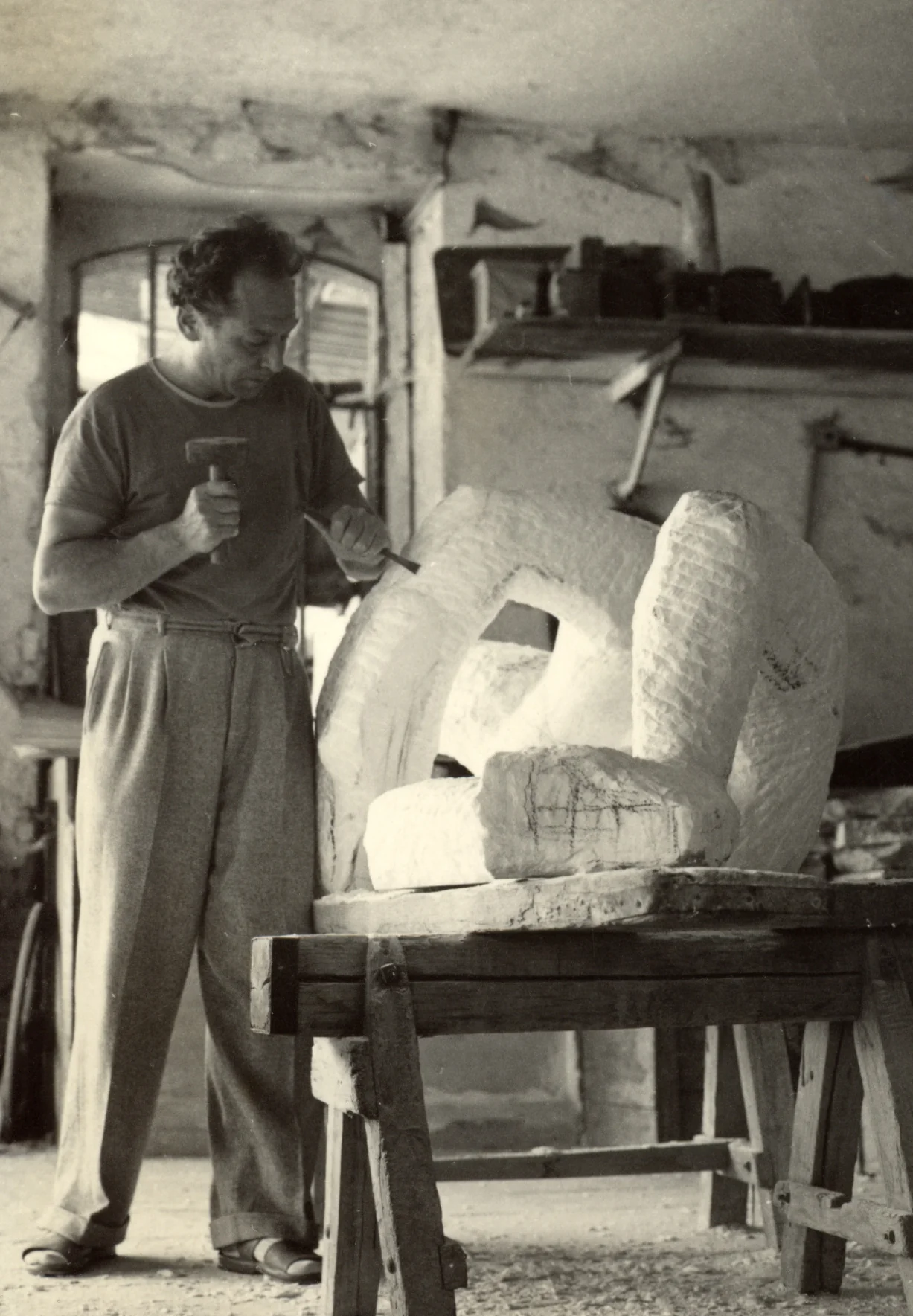
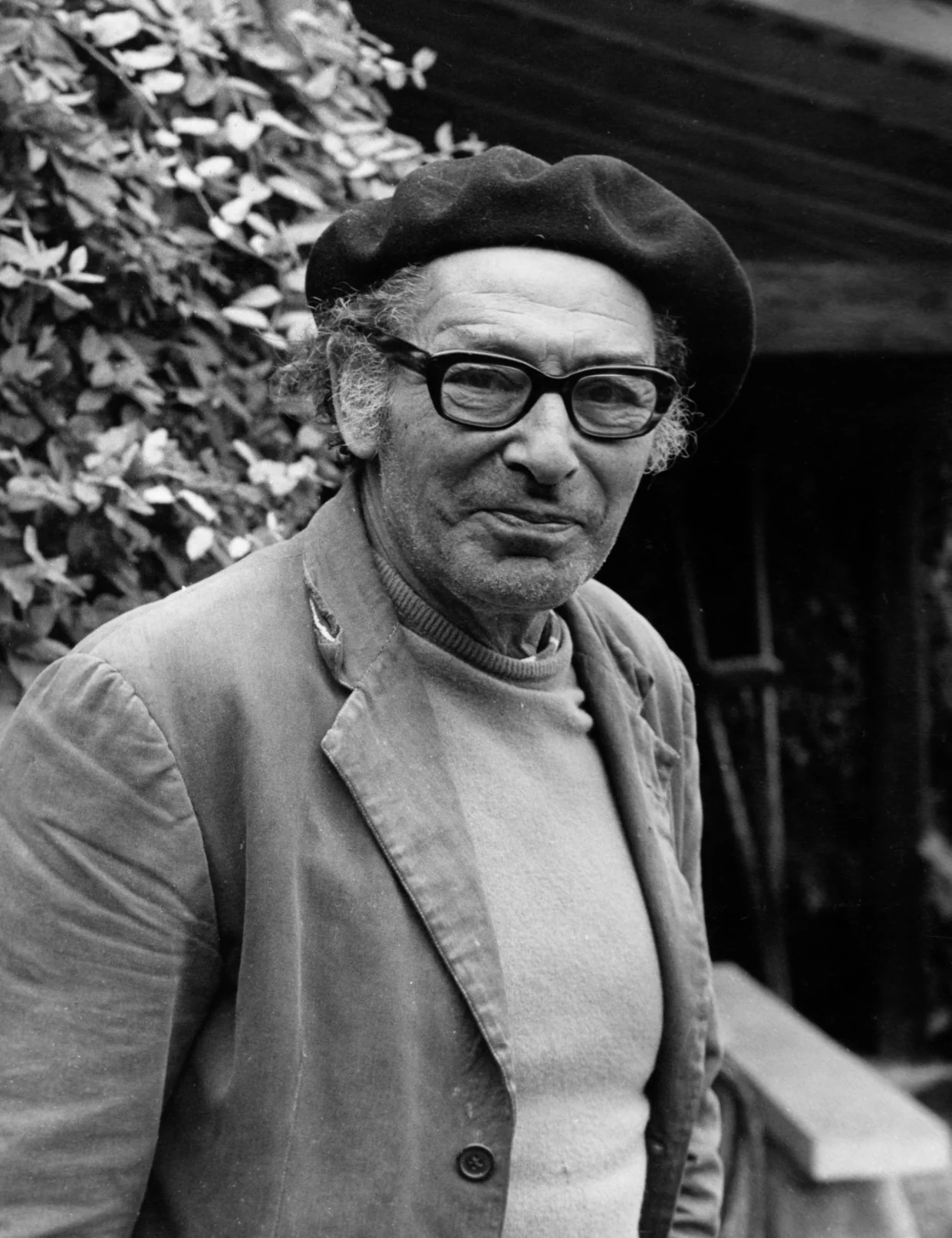
Heinz ‘Henri’ Henghes, internationally renowned sculptor of the mid-twentieth century, came to the Dordogne after the Second World War. Drawn by the 17,000-year-old cave paintings then recently discovered at Lascaux and those of other sites, Henghes moved into the area, settling in the village of Tursac, where he built a studio and made a home for his family. Resident there for over twenty years, Henghes created artworks of many kinds inspired by his surroundings – its natural beauty and wildlife, the life and work of the villagers, as well as the primaeval grandeur of the prehistoric cave painting discoveries.
Henghes quickly became accepted by the locals and the Périgord was soon his country. A friend from the time recollects:
“He was the opposite of what the Périgord people liked, he wasn’t always very well-mannered, usually dressed any way he liked. You couldn’t say the slightest unpleasant thing about him in front of a local from Tursac, they adored him. One day I don’t know who made a comment about the way he dressed or the way he lived, and got a clear answer: ‘But he’s an artist, he’s a creator.’ So the locals loved him the way he was.”
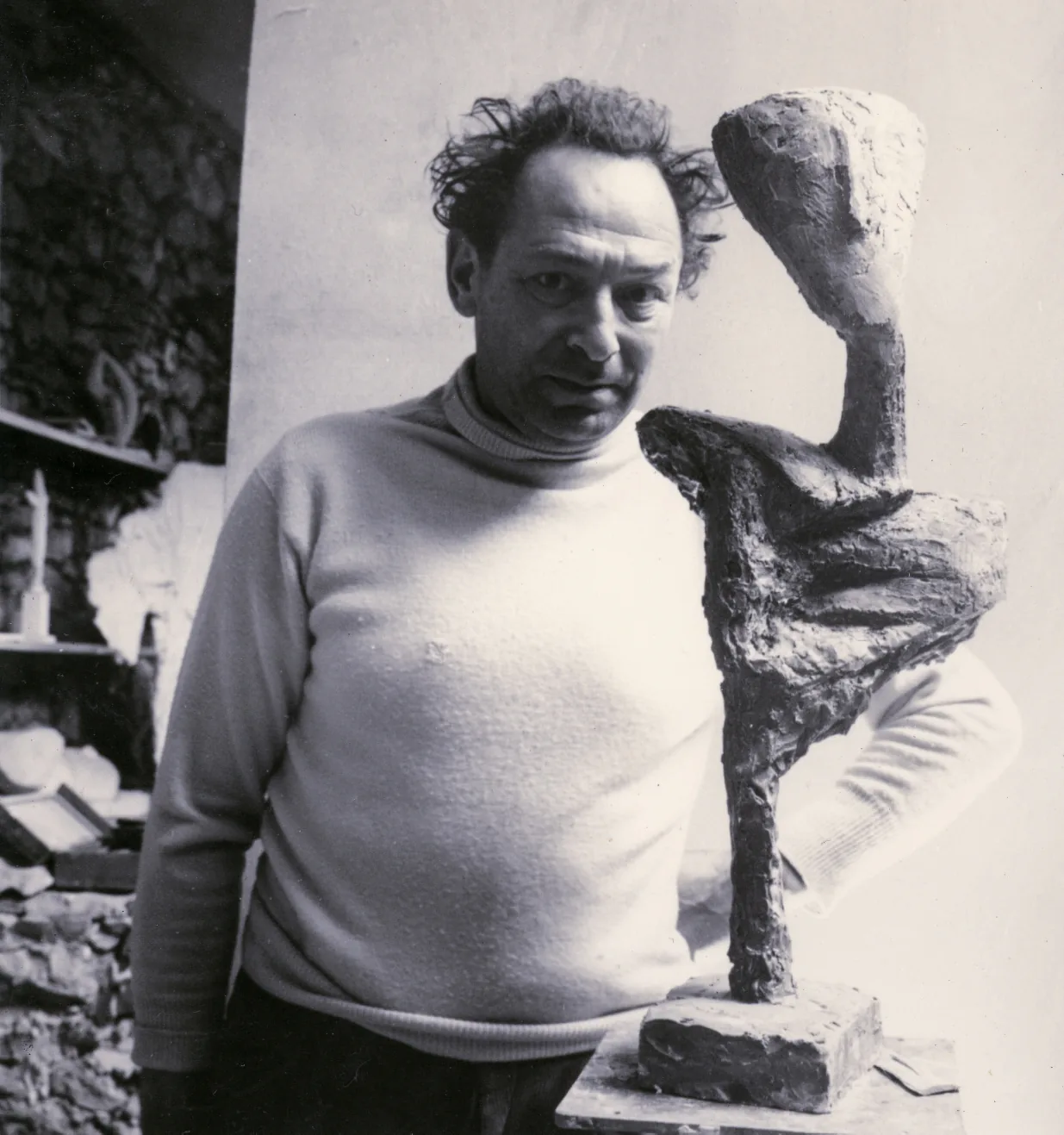
In 2008 Tursac held a show celebrating the work and life of the artist the village had adopted. Our exhibition considers the topicality of Henghes’s art in 2024, focusing on his time in the Dordogne’s Périgord Noir. It looks at the artist’s representations of the natural world around him, ordinary life in his community, and the significance, today, of the Lascaux cave paintings and other prehistoric sites as a source of influence for Henghes, more than eighty years after he first encountered them.
Henghes in the mid-twentieth-century Modernist Avant-garde
Born in Germany, Henghes lived in the USA, Italy and England before settling in the Dordogne in the early 1950s. Henghes counted as friends some of the greatest modern sculptors and painters of the day, including Constantin Brancusi, Isamu Noguchi, Kay Sage and Yves Tanguy, Henry Moore and Jacob Epstein. Beyond this circle, he had also been befriended by the Modernist poet Ezra Pound, along with the writers Anaïs Nin, Jean Genet and Henry Miller. Miller and Henghes visited the Dordogne together with Genet before the Second World War.
Without knowing of their previous acquaintance, Henghes’s friend James Laughlin wrote to Henry Miller in December 1960:
[Henghes] “is a most delightful character, married to a lovely English girl, who was once a ballet dancer. They live on a little hillside farm, in a village named Tursac, which is close to Les Eyzies. They make occasional trips away when he has an exhibition somewhere, or a commission to do a piece of sculpture for someone, but most of the time they are there… He knows all about the cave paintings and the interesting sights in the region.”
James Laughlin, letter to Henry Miller, December 1960
Many international artists and writers ‘discovered the Dordogne’. They brought their own preconceptions and values, but also came – as Henghes did – to know and value the realities of rural life, and the wealth of inspiration the region around the ‘vallée de l’homme’ offered. Committed to a new vision of art and life, Henghes, part of the Modernist Avant-garde, focused in his work on principles of simplicity and truth.
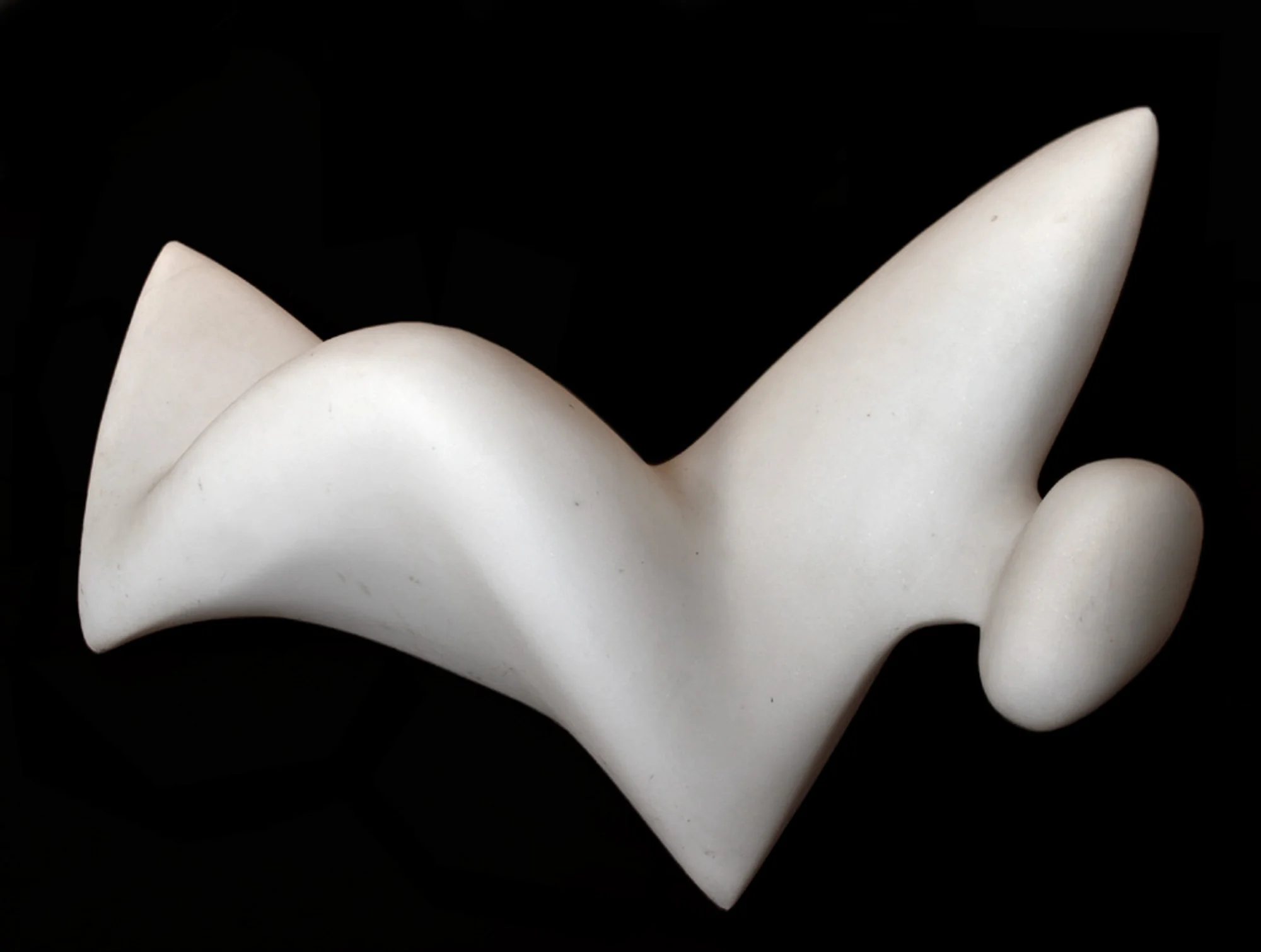
Henghes in 2024: an artist of the changing Dordogne and the world beyond
In 1953, Henghes wrote to a friend:
“Please tell Eisenhoffer [U.S. Precsident Dwight D. Eisenhower] that he can now take it for granted that if you mix up uranium and something else it will go bang. Every time he does it there are tornadoes in the US and horrible winds all around the Dordogne.”
Henghes, letter to a friend, 1953
In the Cold War between the US and Soviet superpowers, then at its height, Henghes was aware of the fragility of peace. Though France was attempting to pursue an independent foreign and domestic policy at this time, it was subject, he knew, to this potentially apocalyptic world conflict.
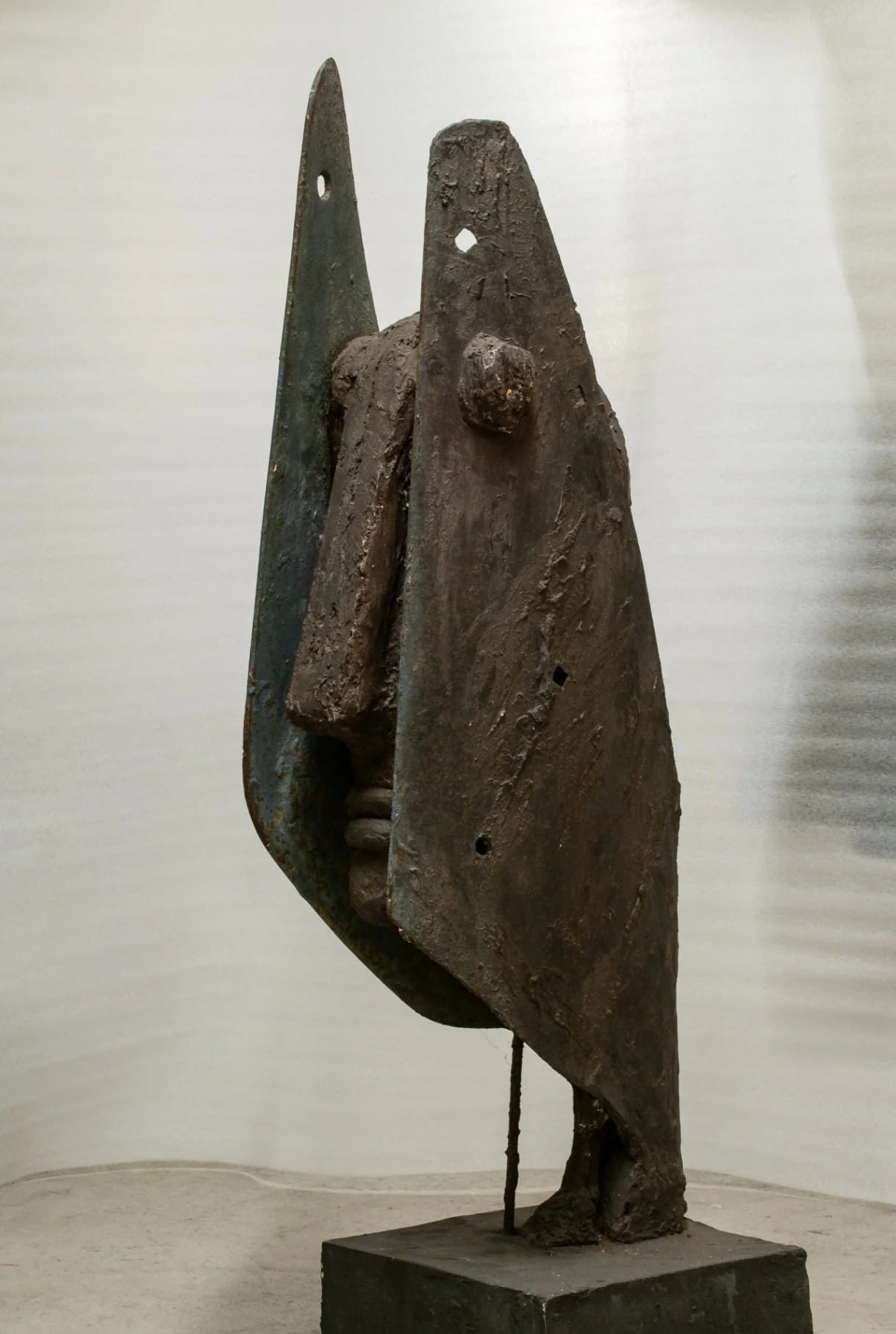
Some of Henghes’s sculptures made at this time might appear to imagine how human beings might be deformed after such an atomic apocalypse brought about a modern ‘stone age’ – though his interest in science fiction also suggests they could resemble ‘other-world’ type creatures.
The world is on a similar precipice now – brought to a state of disorder, fear and danger with roots still lying in the Cold War of Henghes’s time in the Dordogne.
This exhibition considers the Dordogne, then and now, both unchanged and very different – and proposes three themes:
- Henghes’s depictions, in paintings, drawings and sculptures, of the ordinary life of Tursac, its environs, culture and people. Our exhibition presents some of the artist’s representations of domestic life and work in the countryside, as the Dordogne changed, affecting spheres of male and female activity, the modernisation of the economy and society, and the region’s connections to France and the world beyond.
- The importance, for Henghes, of the Lascaux cave painting discoveries, opened to the public in 1948. Our exhibition considers how, in 2024, ideas of ‘the primitive’ and ‘primitivism’ differ from those which the terms signified in the mid-twentieth century for a European-US Modernist Avant-garde.
- The place of ‘nature’, the ‘natural world’ and wildlife in Henghes’s art, at a time when environmental and ecological issues and politics were only beginning to become significant: how the life, future and fate of the Dordogne involve the sustainable inter-activity of human and natural systems.
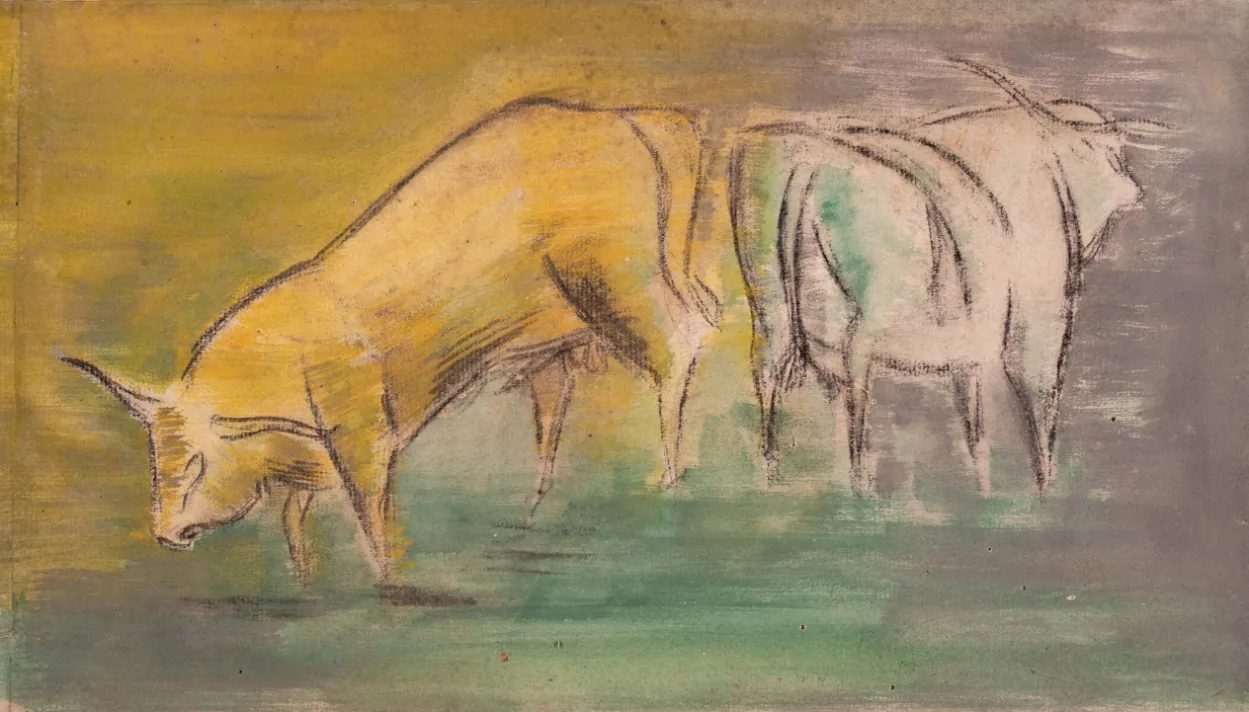
Henghes and ordinary life in Tursac, Dordogne, in the mid-twentieth century
“My work goes well. I think I did the right thing in cutting off all that glamorous success in London. I am on the right road [bon chemin] – though will I ever sell anything here?????”
Henghes, 1954
‘Ordinary’, for Henghes, was not the ‘ordinary’ that the other inhabitants of Tursac experienced. Henghes brought with him expectations and hopes of continued fortune in making a living as an artist – a rare possibility, then and now.
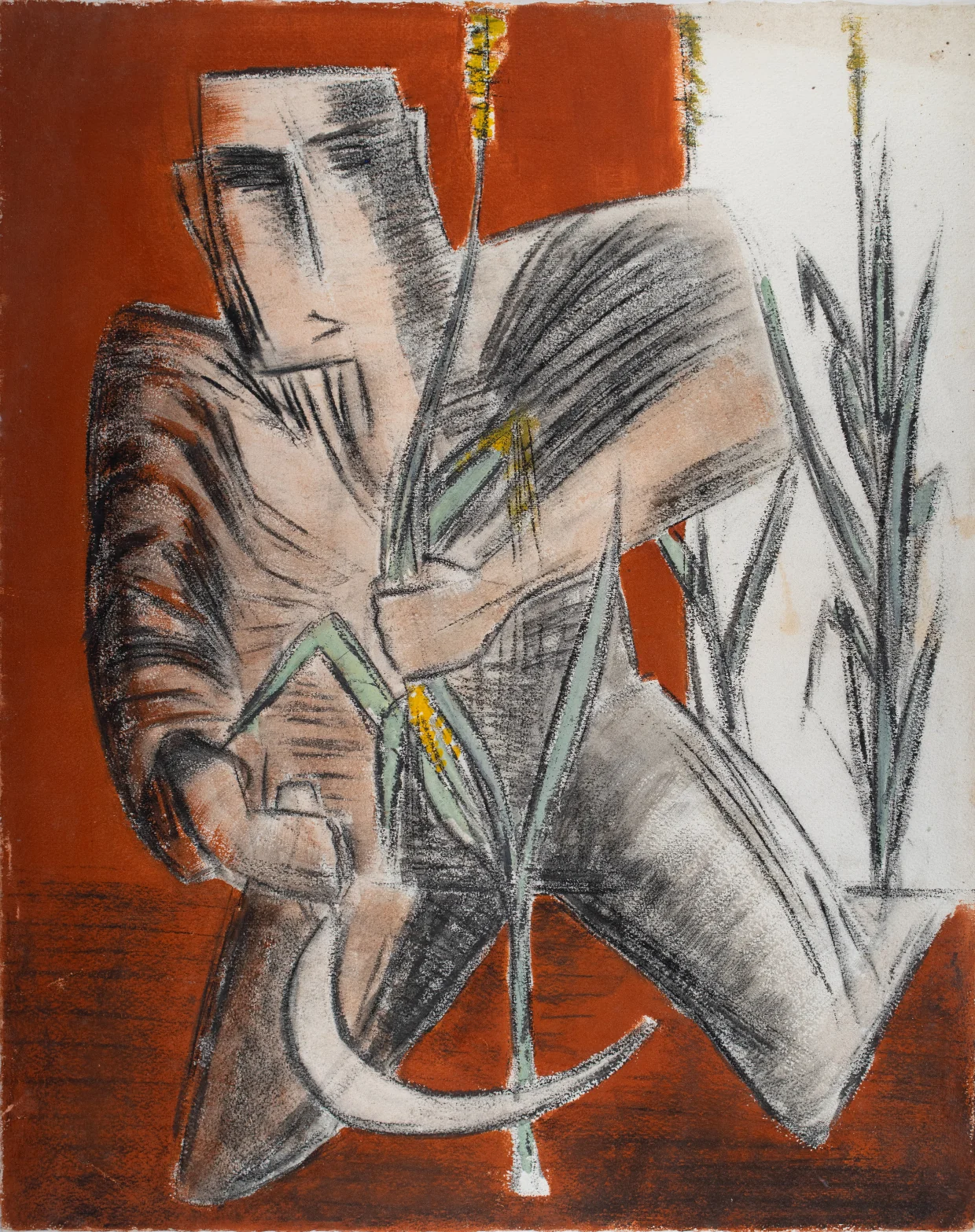
His life in the 1950s and 1960s as a married man as well as an artist brought with it conventional differences in gender roles. “Thank god I found local stone which is workable,” he notes, while “Daphne [his wife] works very hard on the garden – house – goat – chickens – laundry and preserving things for the winter.”
At a time when the Dordogne began to modernise all aspects of its rural, agricultural, village and town life – through technologies of mechanisation and electrification – Henghes and his family, while installing heating and refrigeration in their Tursac home, were also engrossed in the area’s still ancient natural and social environment.
The artist wrote:
“Life has in fact a curious time sense here – we are growing things – buying preserving jars – walking around the woods and looking at the trees with eyes which say that will give us firewood – fruit – preserved vegetables for the winter – and in the winter we shall be sorting over our beans to pick the largest as seed for next year. The hay was cut today and will be stored tomorrow – for the winter and the airy tiles of my studio which admit all kinds of charming insects fill me with horrors when I think of autumn winds.”
Henghes, 1953
Lascaux: the ‘primitive’ origins of art and life?
“People said at the time that it was not possible that the Lascaux paintings were prehistoric, Henghes must have done them. This rumour was in the cafés. In the Hôtel du Pont in Saint-Léon there were drawings by Heinz in the prehistoric style which may have contributed to this rumour. People were convinced that ‘the Englishman’ had done the paintings.”
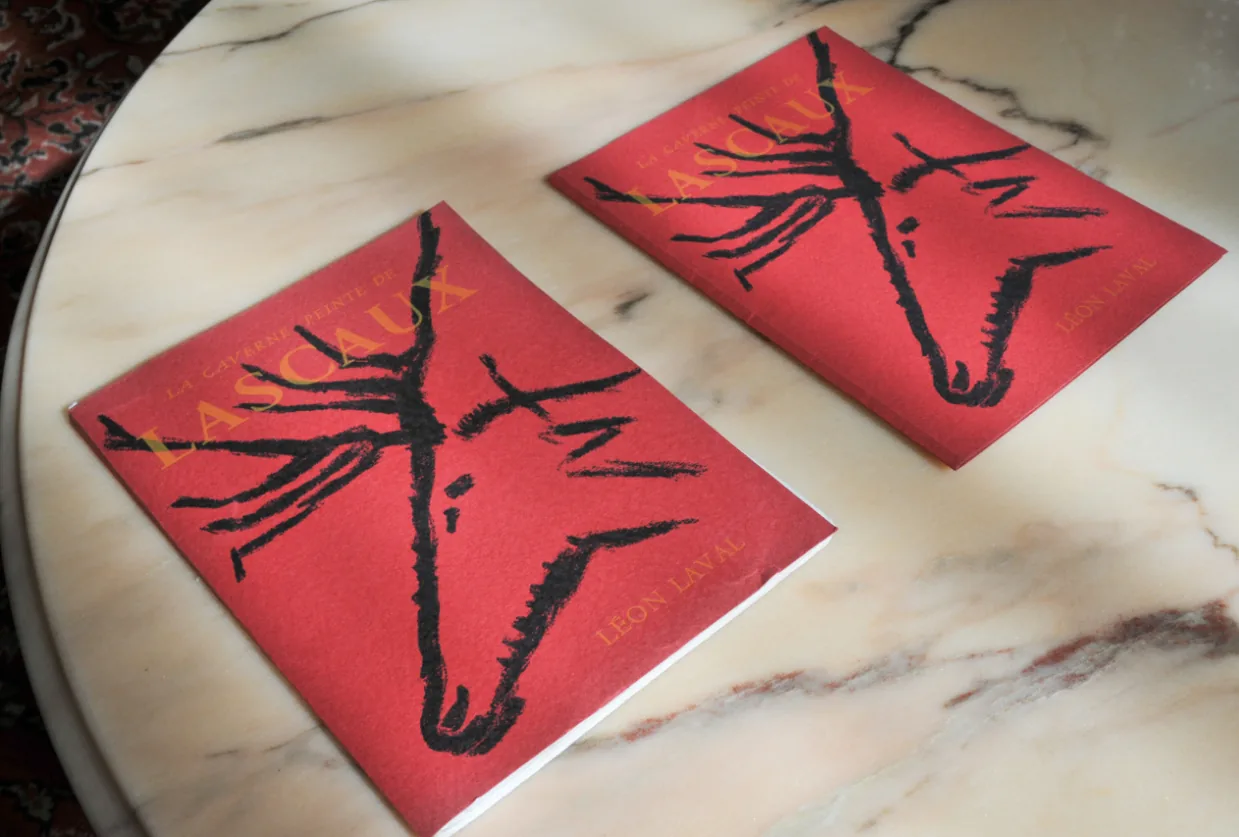
The multitude of prehistoric sites such as Cap Blanc, where there is a frieze of sculpted animals, and the discovery of the Lascaux cave paintings in 1940 and their opening to the public in 1948, were a revelation to archaeologists and artists of the expressive abilities of humans living in the area tens of thousands of years before. For modern artists, the ‘primitive’ qualities of these images of animals inspired the production of abstract sculptures and paintings in the mid-twentieth century.
Henghes’s works made in the Dordogne drew on the dramatic simplicity of these forms and deeply informed his sense of moral purpose as a modern artist.
The particular importance of the Lascaux paintings for artists and writers was captured by a student of Henghes from London, Marc Clark:
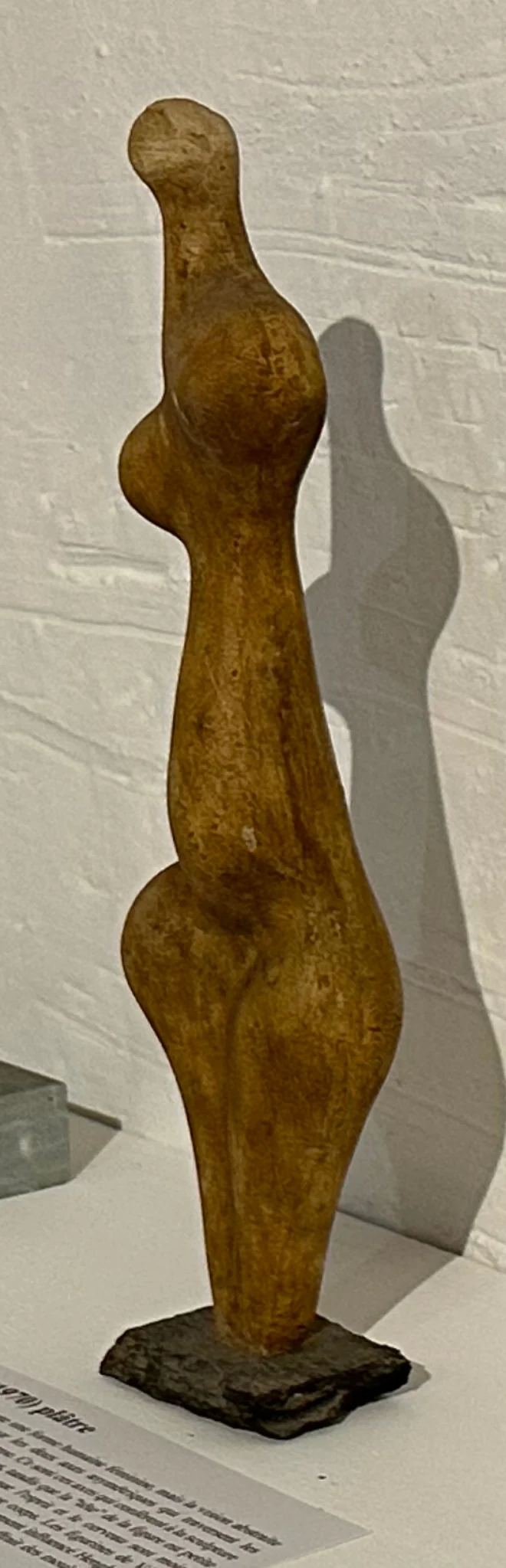
“Around this time Heinz Henghes, my tutor from the RCA [Royal College of Art, London], arrived to stay in the village of Tursac, not far from our village… One day he arrived in our yard in his beat-up Army Jeep, and we were off to Lascaux. Heinz had persuaded the mayor to take us down. We had a couple of miners’ lamps with us and in file began the descent. It was a truly amazing experience… It felt awesome, as if we were back in time and the cavemen had just left for the hunt.
In the main chamber was the enormous painting of the cow, which ran the length of the ceiling. The movement in the painting had been enhanced because of the underlying formation of the rock contours. There was also depicted a group of reindeer swimming with their heads and necks above the waterline and a number of other animals including a delightful drawing of a horse.
Why these beautiful images were painted has never been established. One theory is that they relate to ancestor-worship and that ceremonies of a religious nature took place there… Whatever the reason, the images can be classified as great works of art. Though painted by so-called ‘primitive man’ or ‘woman’ they are outstanding in their observation and remarkably sophisticated.”
Marc Clark
The ‘primitive’ in ancient and modern art, then and now
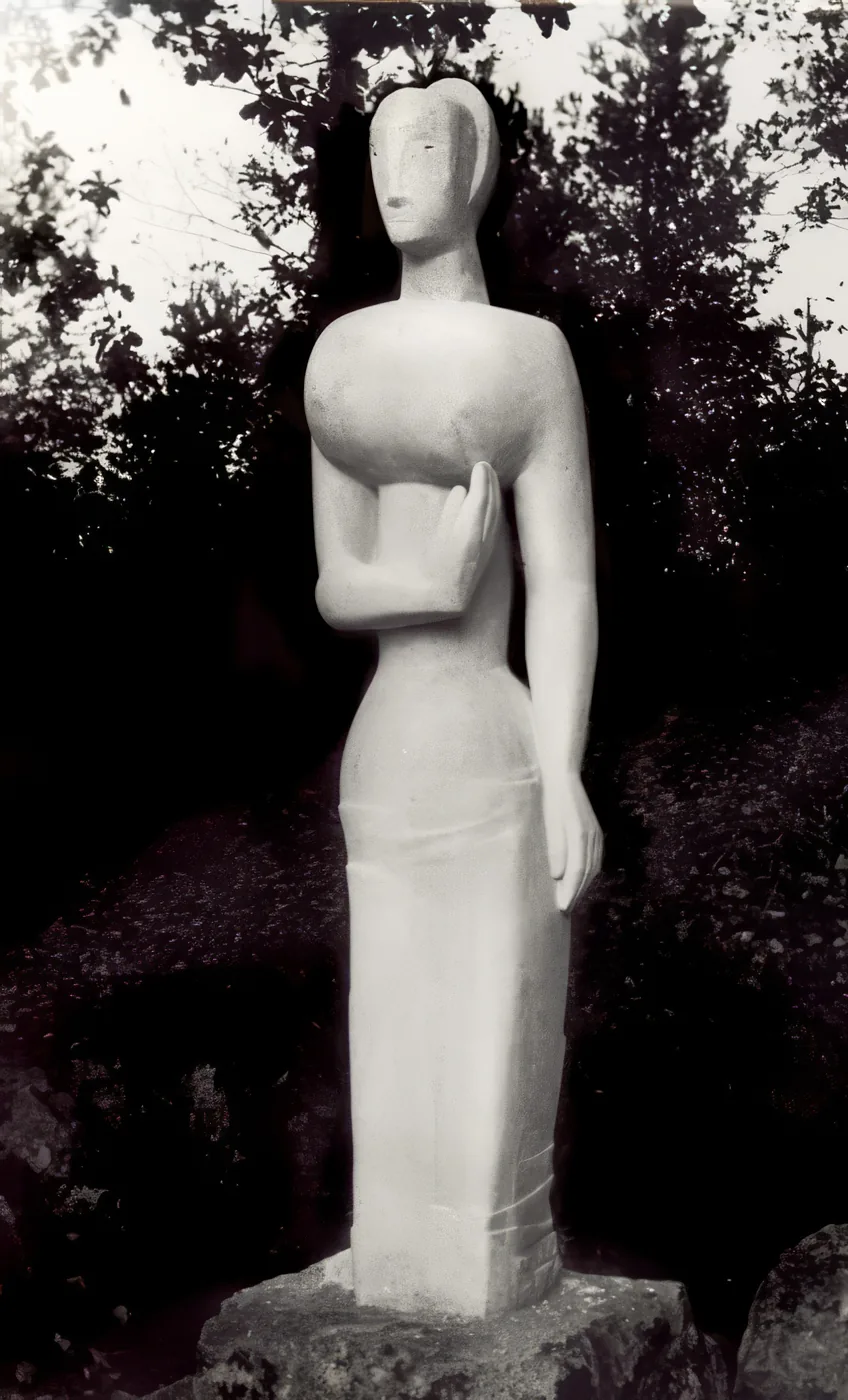
If Henghes’s modern sculptures and paintings could still appear shockingly crude or ‘primitive’ to some in the 1950s and 1960s, he was also capable of producing works that showed pre-modernist ideals of skill and realistic depiction. His bust of the Abbé Breuil, the leading archaeologist of the Lascaux paintings, led a local, on seeing it, to exclaim: ‘Oh, so Henghes really can sculpt!’
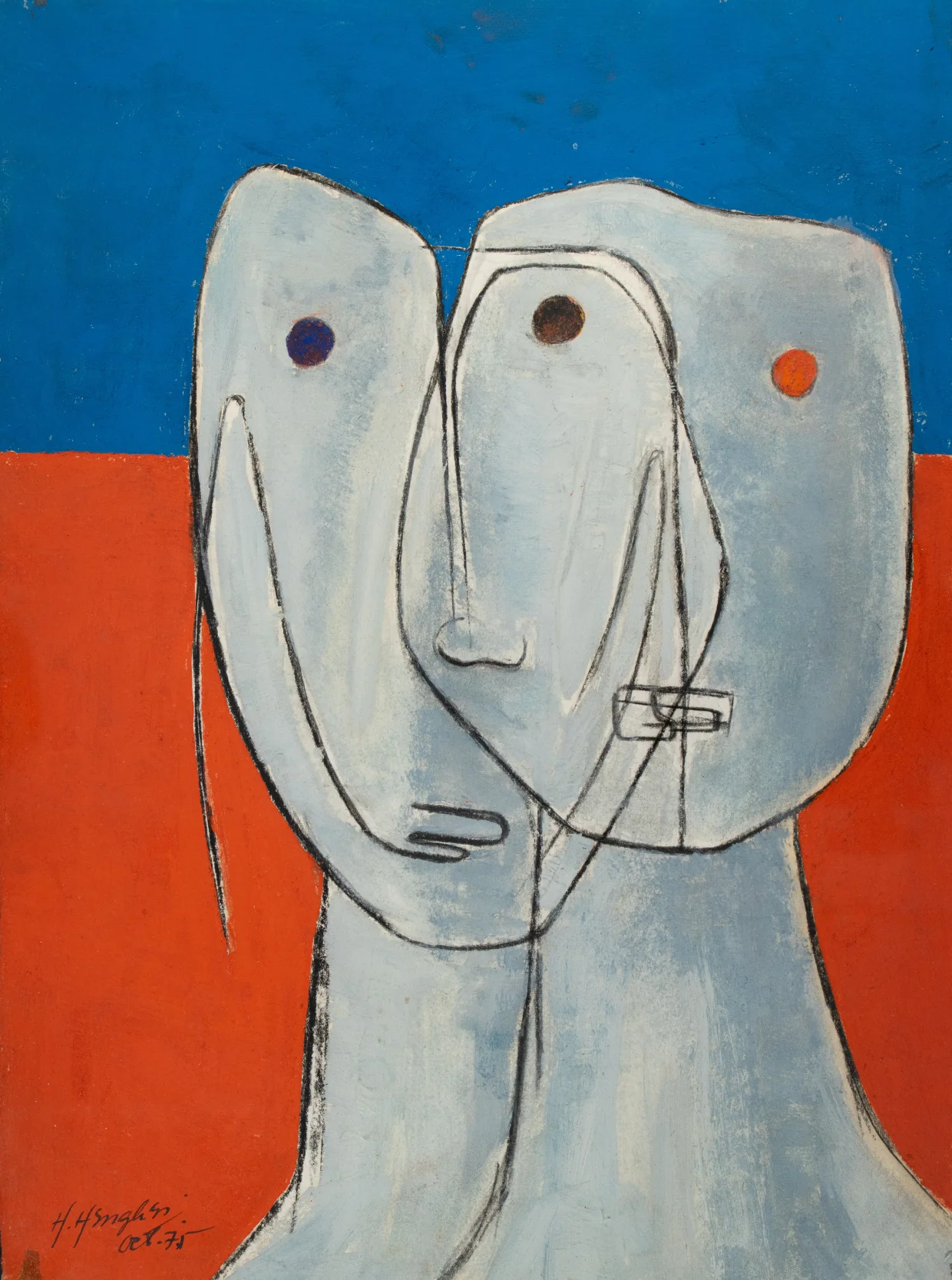
Over eighty years since the discovery of the cave paintings and five decades since Henghes’s death in 1975, artists, critics and art historians have reconsidered the meanings of terms such as ‘primitive’ and ‘primitivism’. The latter was the name for a movement in modern art with roots in French painting and sculpture from the late nineteenth century, associated especially with Paul Gauguin, Paul Cézanne and Vincent van Gogh.
By the 1950s, the association of modern art with a variety of sources called ‘primitive’ – ancient cave paintings, but also African and Asian sculpted objects identified as ‘art works’ but whose original contexts and functions had also been ‘ritualistic’ or ‘ceremonial’ – was being questioned. Ordinary life in modern cities and societies was becoming the subject of those soon to be identified as ‘new realists’ and ‘pop’ artists. ‘Modern’ began to transition, confusingly, to an historical idea, and ‘contemporary art’ became the name, by the 1990s, for those concerned with the new and the future for art and life.
Henghes was well aware of this change and his later artworks embodied it. His Dordogne years raise fascinating questions about these transformations in art, culture and social life – in Tursac, in France as a whole, and in the wider world. Our own epoch allows and requires us to look back with different eyes on Henghes’s work and time.
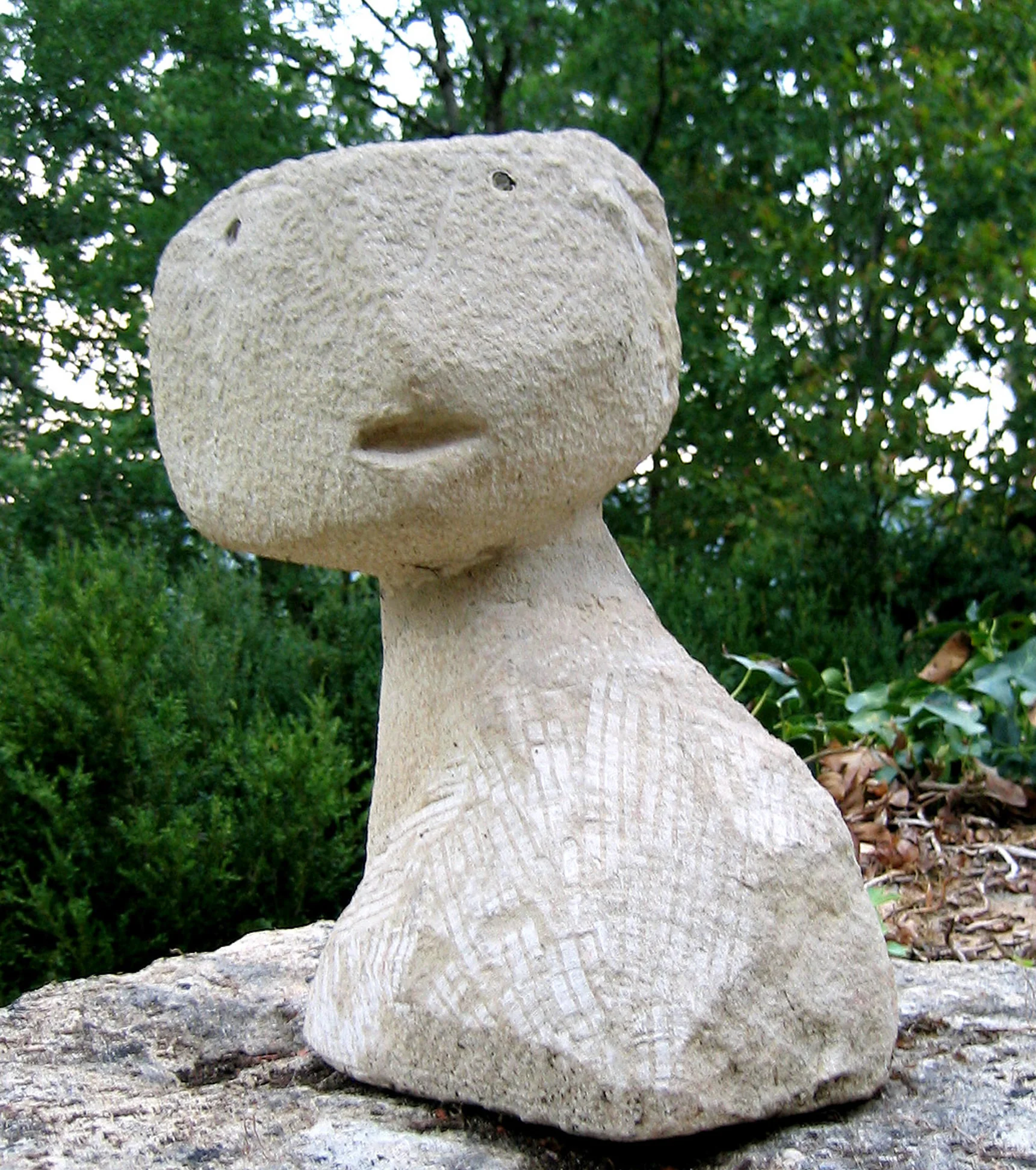
Nature and the human-natural symbiosis
Henghes wrote of his time living in the Périgord Noir:
“We may find in nature a source of stimulation and of joy. Even the implacable renewal of itself of each root and seed, patient and unending, sure to conquer in the end all our transient efforts to form them, is a lovely force of eternal life… We live in nature, side by side with it, and the whole of our communion with it is physical.”
Henghes
Notice here that Henghes recognises both the ‘eternal’ character of the life of the natural world and the ‘transient’ interaction of the human community within it. People are both ‘in nature’ and also, he says, living ‘side by side with it’. Nature, then, is a worked landscape and environment (this is the ‘Georgic’ tradition in pastoral writing, as opposed to the ‘Arcadian’, where nature is simply a God-given paradise).
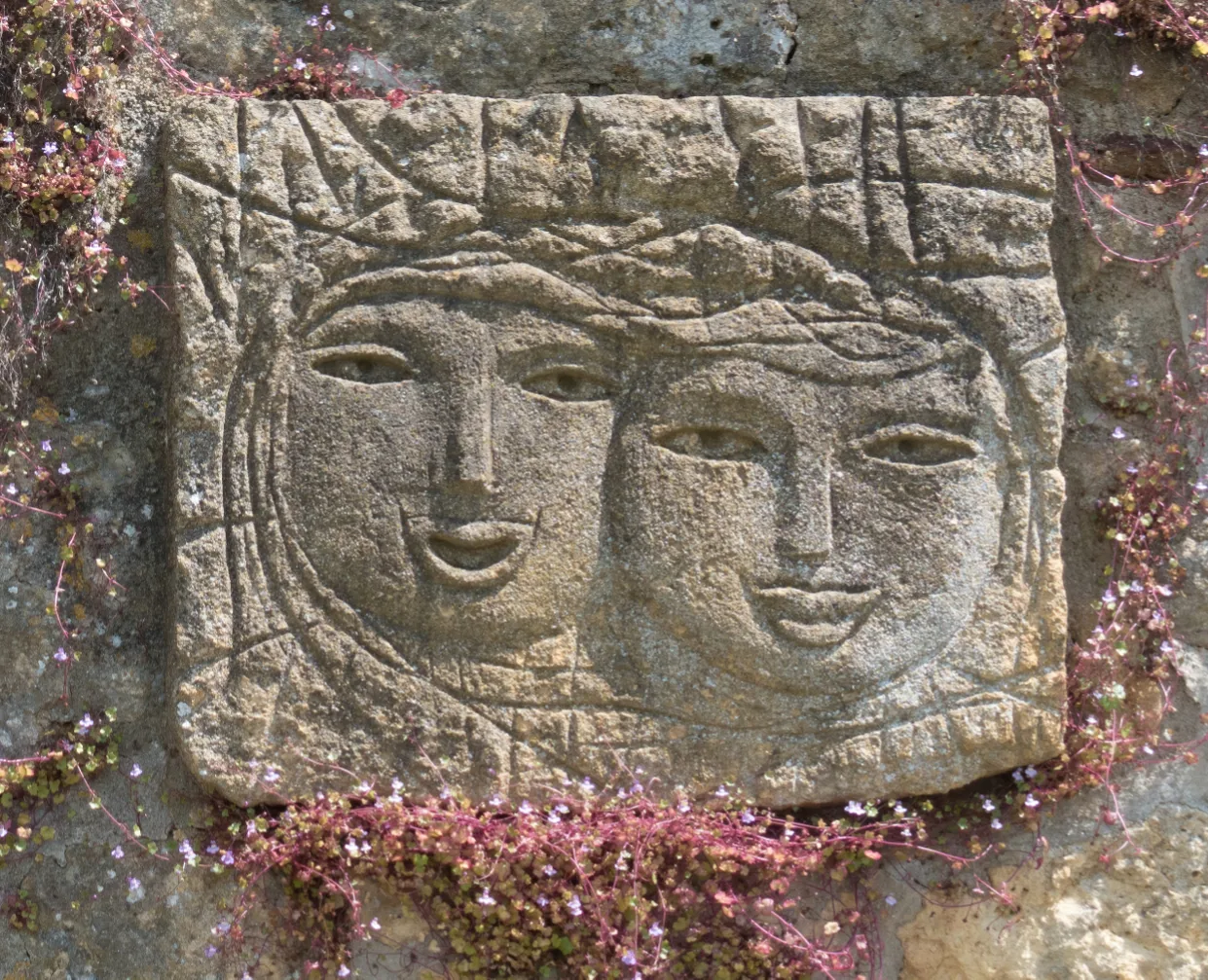
Earlier, in 1953, Henghes had written, in humorous vein, to James Laughlin:
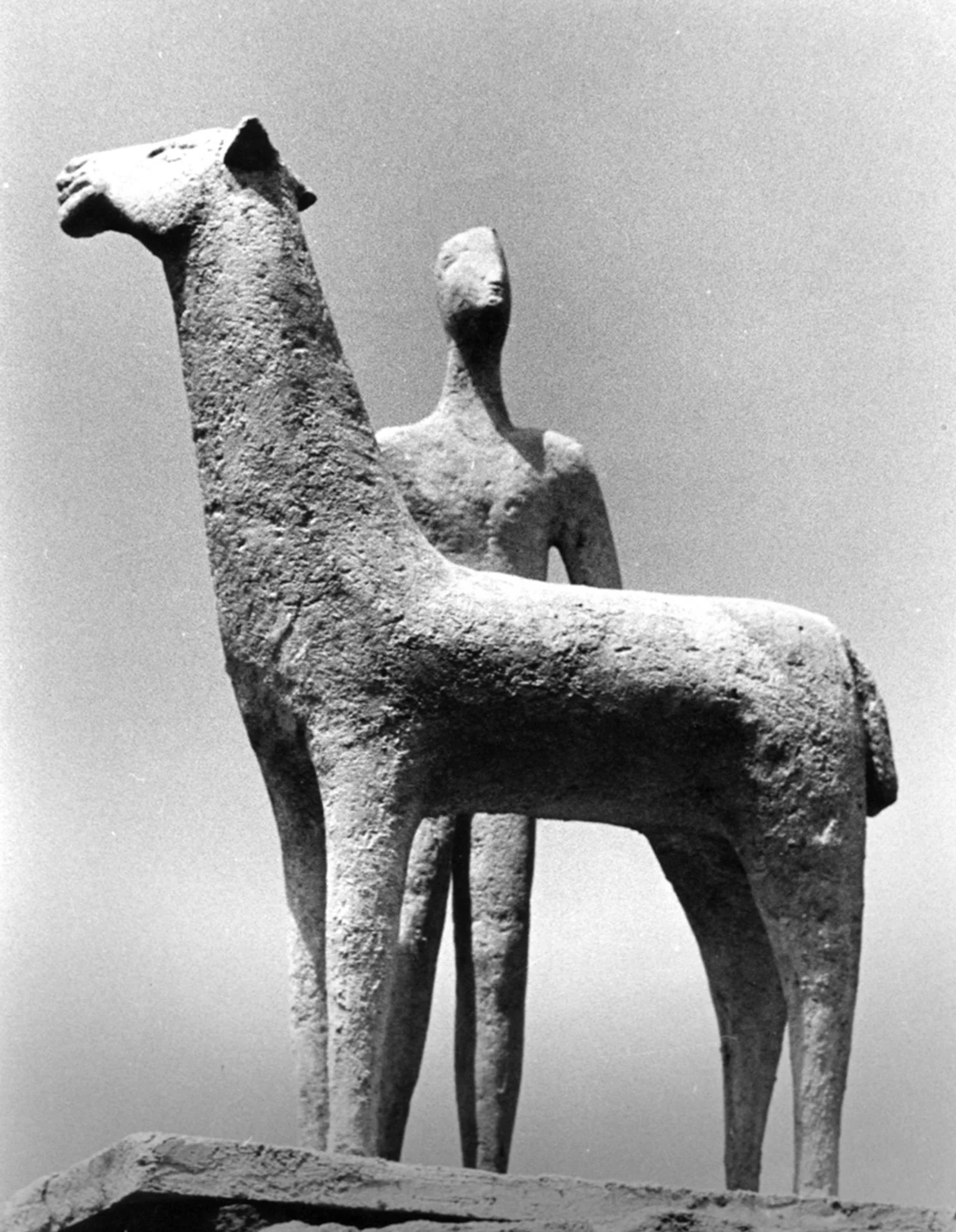
“We live the life of country yokels and we don’t want no truck with them city-slickers… The place is magnificent in the extreme… talk of how much water comes from the spring, gardening, and possible sites for houses around the hillside… A Jeep is required as the local road is so bad. The nightingales are singing like mad – (maybe they are mad…) and cuckoos are howling all around us. I work daily with axes and sledgehammers in either hand and it’s all hell but wonderful hell because at least I am doing something which will last… Our woods are blooming and need 5 years work to clean the thorns from them… There is a nightingale singing in the far distance now and it seems silly to turn on the gramophone to play Bach.”
Henghes, letter to James Laughlin, 1953
But Henghes also had an ‘aesthetic vision’ of the area’s pristine quality. The ‘colours put on by nature’, he said:
“…are gold and russet – with silvery overtones which – specially when seen through wisps of morning mist – require a knowledge of Chinese language in order to express their beauty.”
Nature: idealised and humanly transformed
In 2024, the future of the natural world – and of sustainable human life within it – is in crisis. Human use of natural resources, and cultivation of the land, since the mid-twentieth century, has reached a stage where even nature’s ‘eternal’ character itself seems to be in jeopardy. The Dordogne faces this crisis as much as anywhere else in the world, following a process of accelerated modernisation which began around the time that Henghes settled in Tursac. The impact of mechanisation, depopulation of the towns and villages, the growth of tourism, and the use and protection of resources such as water and wood are some of the dilemmas the area must confront to ensure a sustainable future.
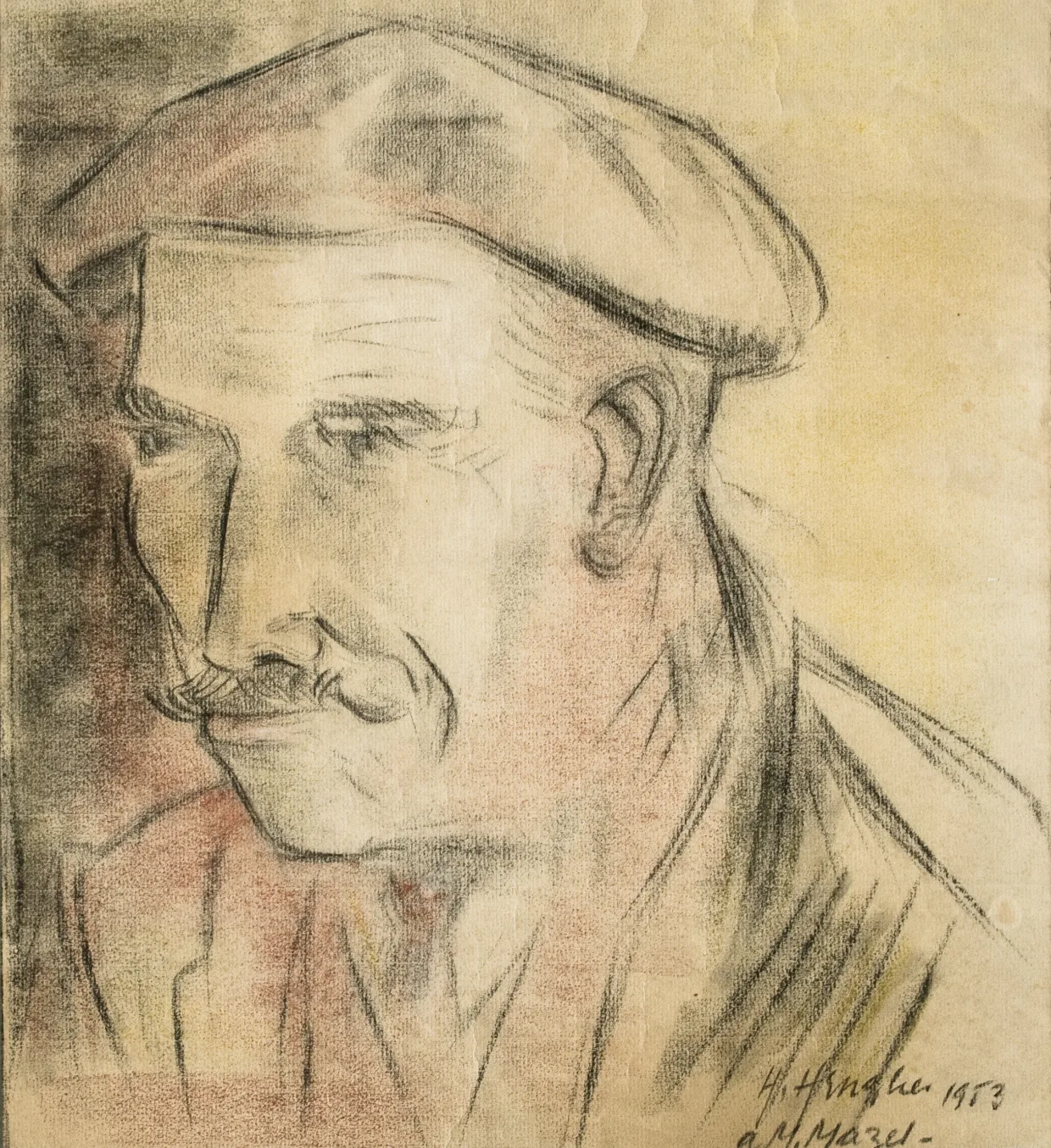
Henry Miller, who Henghes first met in Paris before the war, wrote of the Dordogne in the 1940s:
“I believe that this great peaceful region of France will always be a sacred spot for man and that when the cities have killed off the poets this will be the refuge and the cradle of the poets to come. I repeat, it was most important for me to have seen the Dordogne: it gives me hope for the future of the race, for the future of the earth itself. France may one day exist no more, but the Dordogne will live on just as dreams live on and nourish the souls of men.”
Henry Miller
Artists and poets will continue to see the Dordogne in these terms – as visitors and tourists do – but Henghes saw both sides of the area’s past and future: its ‘eternal’ nature and its ‘transient’ human life. His artworks demonstrate this understanding and vision, inspired by the cave paintings, ‘wisps of morning mist’, and the ordinary daily activities and life of the people of Tursac, then and now.
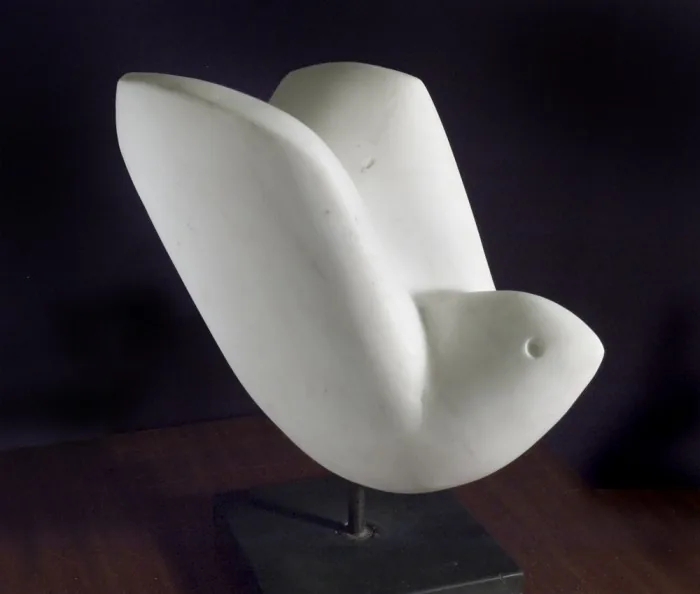
Henghes’s philosophy of art and life in the Dordogne, then and now
Though consciousness of environmental and ecological issues became widely prevalent only during the later 1960s, Henghes’s own ‘philosophy of art and life’ prefigured this development. Henghes observed:
“Contact with life and nature cannot be found by nostalgic glorification of ancient days or simpler peoples. The past is irrevocably dead and simplicity can be created only by our own integration with our inner needs. The most urgent need of our society is to find its way to integration with life and nature. Our art reflects that need.”
Henghes
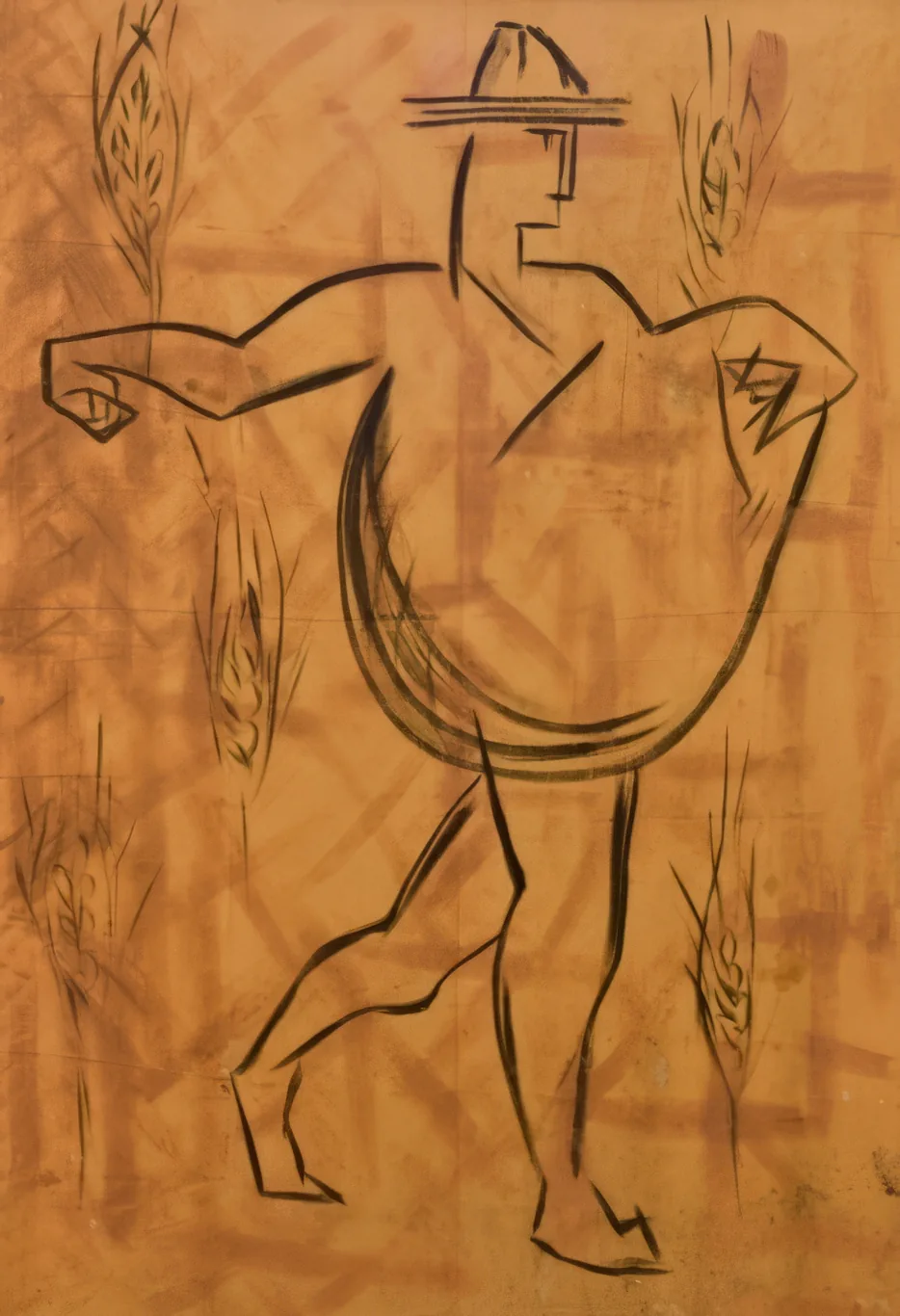
Art has changed dramatically since the mid-twentieth century, with the abandonment of the Modernist Avant-garde belief in recovering a ‘primitive’ simplicity based in the presumed life and values of humans from an early stage of human development. Henghes notes that this ‘past is irrevocably dead’. Art must change, he seems to be saying, in order to recognise and affirm a new human ‘integration with life and nature’.
Henghes, in the ‘Vallée de l’Homme’, was at home in the Dordogne, and the artworks he created there in that time indicate the character of the ‘integration’ he was able to make, as an artist, a man and a father. Driven to create immutable works in a changing world, Henghes embraced change, whilst working to express a timeless appreciation of ‘man in nature and nature in man’.
The exhibition
Installation views at the Galerie du Château, Sainte-Croix-de-Mareuil, April 2024.


Download the original exhibition panels (PDF, English and French, 1.6 MB)